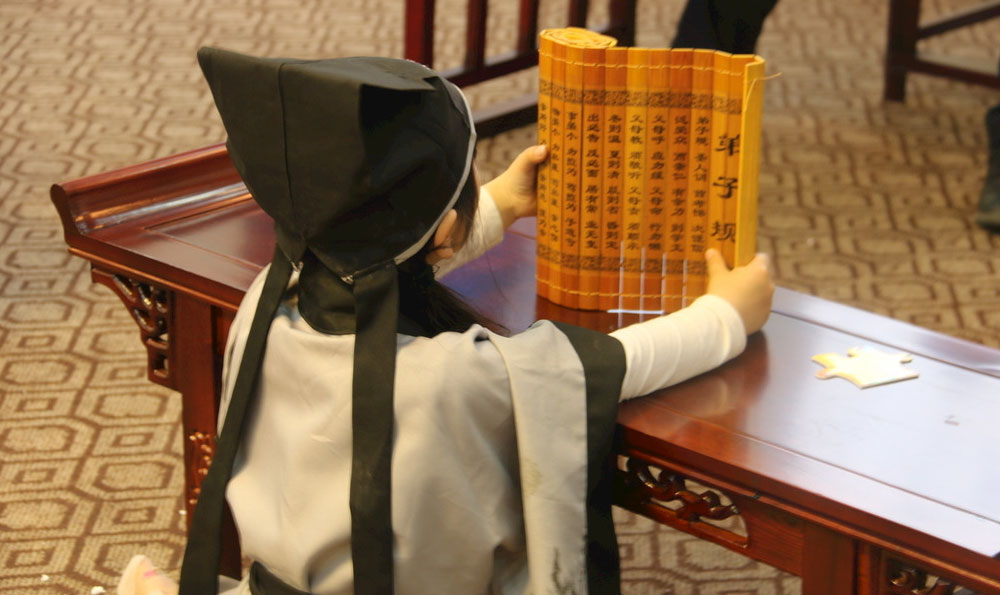
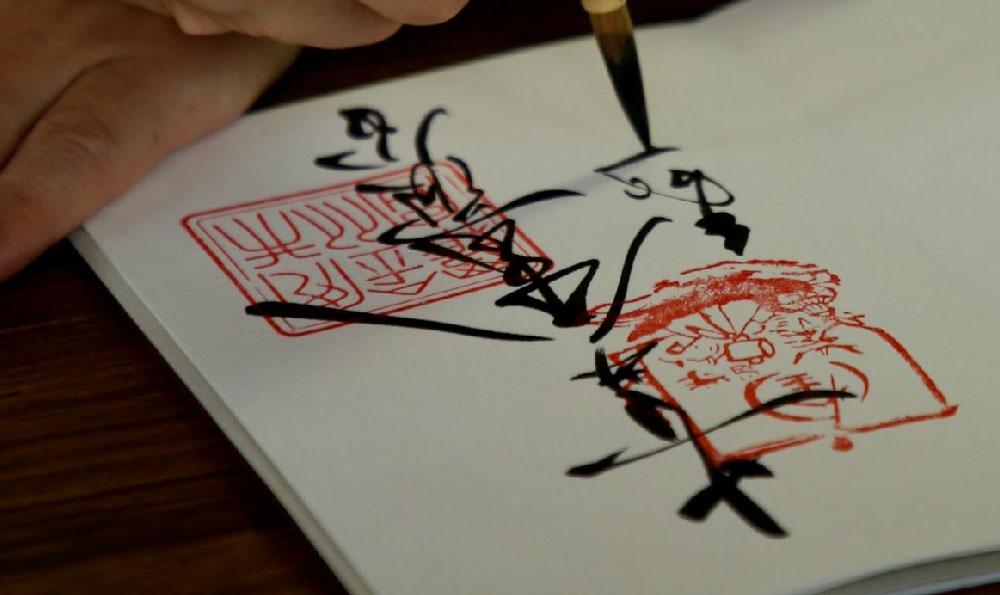
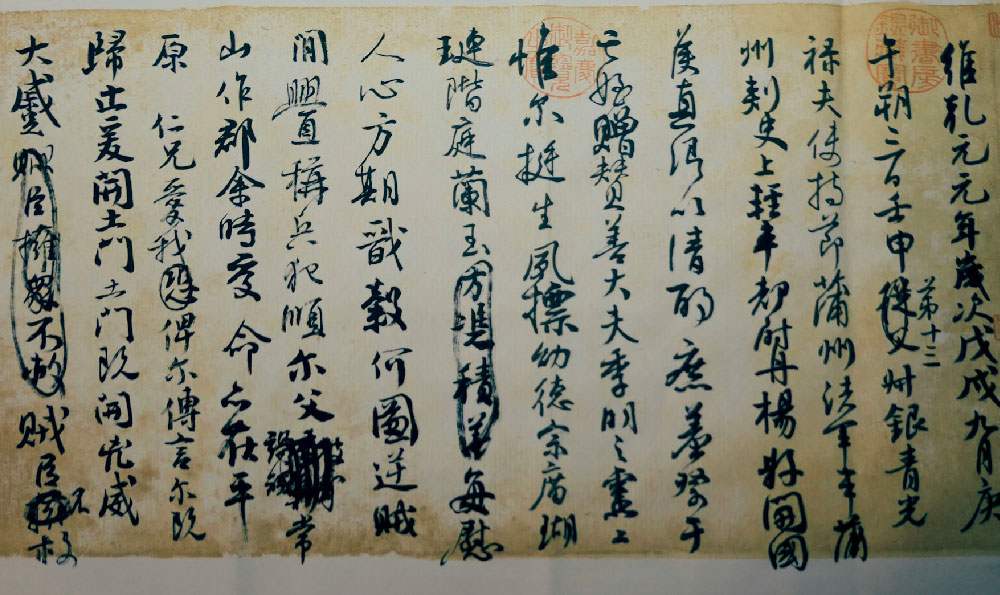
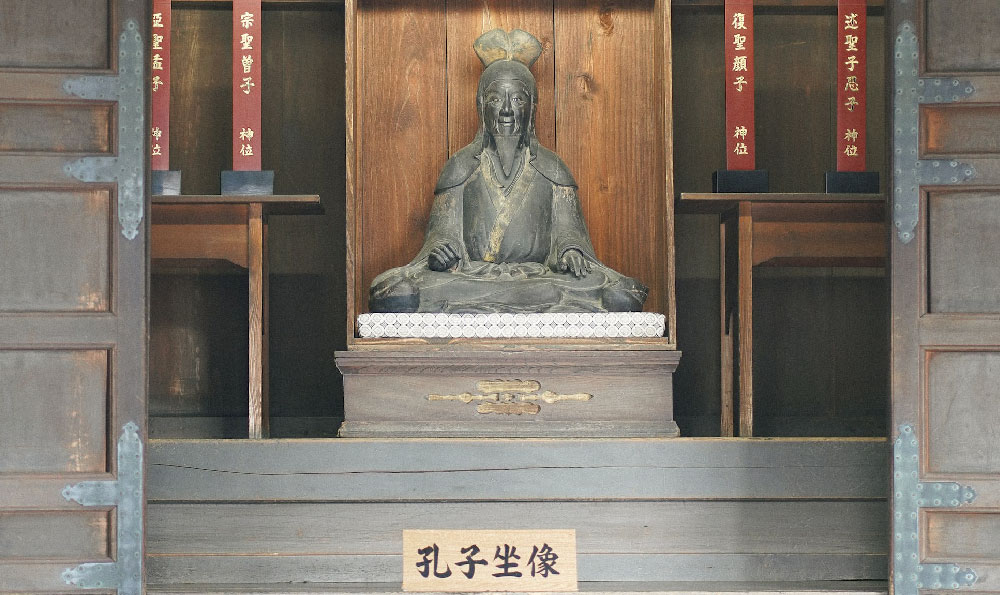
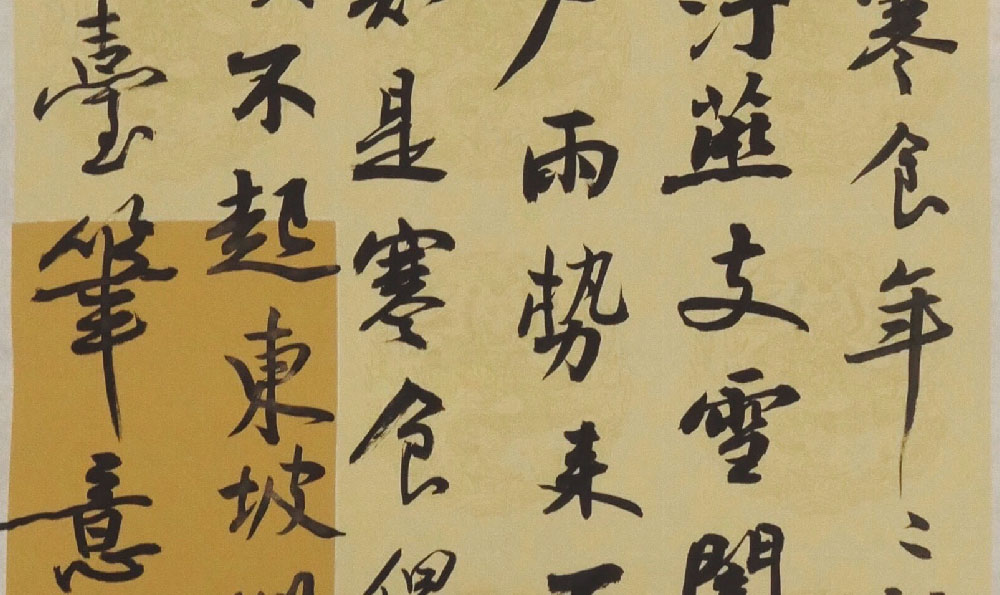
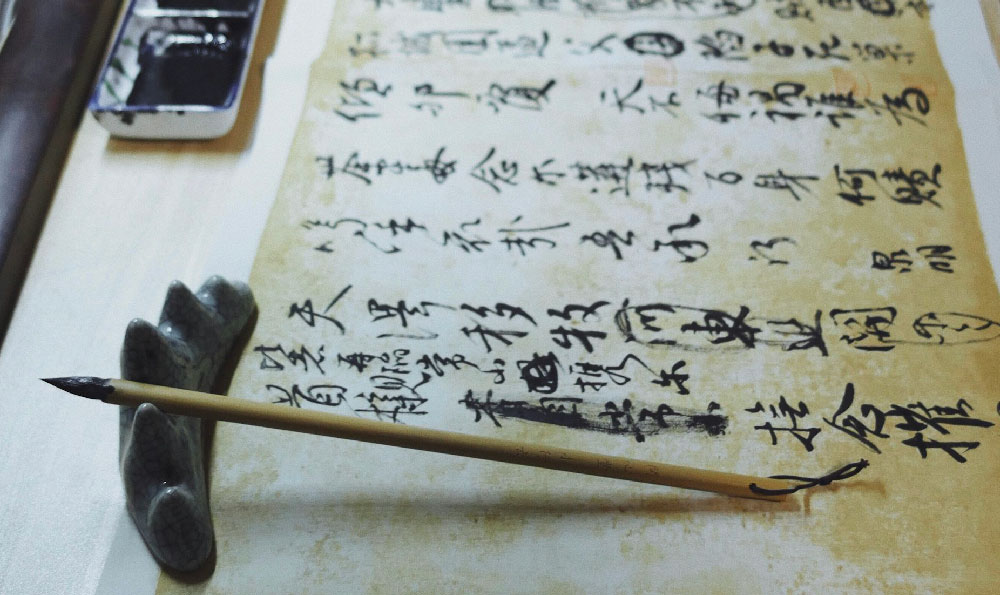
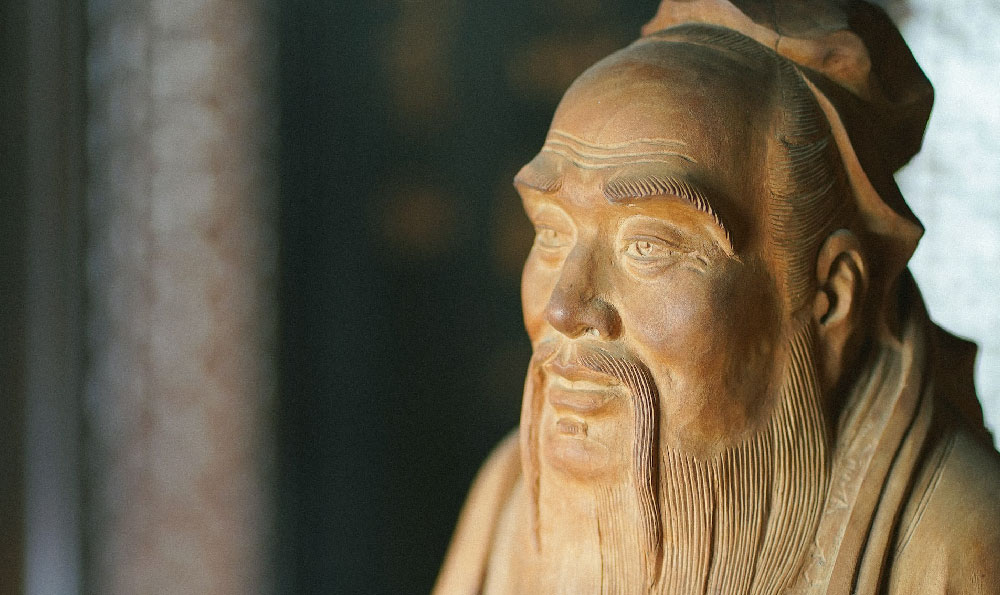
国学经典是中华文明的瑰宝,蕴含着丰富的道德教育内容。通过让幼儿学习国学经典,可以培养他们良好的品德。经典中强调孝道,教导孩子尊敬父母;经典中强调仁爱,教导孩子待人和善;经典中强调正直,教导孩子诚实守信。这些品德对孩子的成长和未来发展非常重要。
二、提升孩子的思维能力
学习国学经典可以激发孩子的思维能力。国学经典中蕴含着丰富的哲学思想和逻辑推理,可以让孩子锻炼自己的思辨能力和逻辑思维。幼儿通过学习《论语》,可以学会分析问题、思考人生意义;通过学习《孟子》,可以掌握逻辑思维和论证方法。这些能力对孩子的学习和发展都有积极的影响。
三、启迪孩子的智慧和创造力
国学经典中蕴含着丰富的智慧和创造力,通过学习和理解这些经典,可以启迪孩子的智慧和创造力。经典中的故事和形象可以引发孩子的联想和想象力,激发他们创造性思维。幼儿通过学习《红楼梦》,可以感受到文学艺术的魅力,培养对美的情感和认知;通过学习《史记》,可以了解历史发展的脉络,培养对历史的兴趣和研究能力。
四、增强孩子的文化自信
学习国学经典可以增强孩子的文化自信。国学经典是中华文化的重要组成部分,通过学习和理解经典,可以让孩子更好地了解和认同自己的文化传统。这种文化自信可以使孩子树立正确的价值观和人生观,对自己的未来发展有更明确的目标和方向。
五、促进家庭教育的传承
学习国学经典可以促进家庭教育的传承。经典是中华文化的瑰宝,传承经典意味着传承中华文化的精髓。通过与家长一起学习和讨论国学经典,可以增进亲子关系,加深家庭的教育氛围。家长也可以通过教育孩子学习国学经典,传达自己的思想和价值观,为孩子的成长提供有力的支持和引导。
幼儿学国学经典有着诸多好处。它可以培养孩子良好的品德,提升孩子的思维能力,启迪孩子的智慧和创造力,增强孩子的文化自信,促进家庭教育的传承。我们应该重视幼儿学国学经典的重要性,为孩子的全面发展提供更广阔的空间和更丰富的资源。
幼儿学国学经典的好处和坏处
引言:

幼儿学国学经典是一种培养优秀品格、传承中华文化的教育方法。幼儿学国学经典也并非没有任何弊端。本文旨在客观、系统地阐述幼儿学国学经典的好处和坏处,帮助读者更好地了解这一教育方式。
好处:
幼儿学国学经典能够培养孩子的道德品质。在国学经典中,蕴含着丰富的道德观念和价值观,如《论语》中的“己所不欲,勿施于人”等。通过学习国学经典,幼儿可以感受到其中的道德教育,培养出诚实、守信、友善等美德。
幼儿学国学经典有助于培养孩子的文化自信。国学经典是中华文化的瑰宝,通过学习,孩子能够了解自己的文化根源,并从中汲取力量和骄傲。这种文化自信能够增强幼儿的自尊心、自信心,培养出积极向上的心态。
幼儿学国学经典能够提高孩子的语言表达能力。国学经典是经过千百年的积淀和沉淀的,其中蕴含着深邃的思想和精妙的表达方式。通过学习国学经典,幼儿能够锻炼自己的语言能力,提高表达的准确性和表达的艺术性。
幼儿学国学经典有助于培养孩子的学习能力和思维能力。国学经典中的文言文是一种独特的语言形式,通过学习,孩子能够锻炼自己的理解能力和逻辑思维能力。国学经典涵盖了多种学科领域,如历史、诗词、音乐等,培养了孩子的全面学习能力。
坏处:
幼儿学国学经典也存在一些问题和负面影响。国学经典是经过长时间的积累和沉淀的,其中的一些观念和价值观与时俱进有些脱节,可能无法完全适用于现代社会。这就需要教育者在教学中进行合理的解释和引导。
幼儿学国学经典可能导致知识的单一性。国学经典主要涉及到古代文化和文学,相对狭隘而传统。如果过分强调国学经典的学习,可能会忽略了其他学科的知识,限制了幼儿的学习广度和深度。
幼儿学国学经典可能给孩子带来过大的学习压力。国学经典中的文字繁琐,语言古奥,对于幼儿来说难度较大。如果要求幼儿过早地学习国学经典,可能会导致他们产生学习厌烦、学习抵触情绪。
幼儿学国学经典的好处和坏处是相对而言的。正确的教育方法应该是充分发挥幼儿学国学经典的好处,同时解决其中的问题和负面影响。通过给予幼儿合理的引导,可以让他们从中受益,培养优秀的品格和文化素养。
幼儿学国学经典的好处是什么
引言:

当今社会,幼儿教育备受重视,而国学经典作为我国传统文化的瑰宝,越来越受到家长和教育界的关注。幼儿学国学经典不仅能够帮助幼儿培养正确的价值观和道德观,还能够促进他们的语言表达能力、认知水平和情商发展。
一、树立正确的价值观和道德观
学习国学经典可以帮助幼儿树立正确的价值观和道德观。在国学经典中,我们能够找到许多关于诚信、友爱、尊老爱幼等道德价值的教义。通过学习这些经典,幼儿能够从小树立正确的道德观念,并在日常生活中付诸实践。学习《弟子规》可以让幼儿明白尊敬师长的重要性,学习《论语》可以培养幼儿的孝顺之心。这些道德观念的灌输将使幼儿在成长过程中成为有品德、有责任心的人。
二、促进语言表达能力的发展
学习国学经典还能够促进幼儿的语言表达能力的发展。国学经典中蕴含着丰富的文化内涵和诗意的表达方式,通过学习这些经典,幼儿能够提高自己的语言表达能力和理解能力。通过朗读、背诵经典,幼儿能够锻炼口腔肌肉,提升发音准确性和语言流利度。这对于幼儿的智力开发和交往能力的培养都具有重要意义。
三、提升认知水平和情商
学习国学经典能够提升幼儿的认知水平和情商。国学经典中蕴含着丰富的哲理和智慧,通过学习这些经典,幼儿能够提高自己的思维和分析能力,培养良好的逻辑思维能力。国学经典中的许多故事和情节也能够帮助幼儿理解和处理情感,培养情商,提高情绪管理和人际交往能力。
幼儿学国学经典的好处是多方面的。学习国学经典可以帮助幼儿树立正确的价值观和道德观,促进语言表达能力的发展,提升认知水平和情商。我们应该重视幼儿学国学经典的教育意义,积极引导幼儿学习国学经典,为他们的全面发展打下良好的基础。
What are the benefits of preschoolers learning classical Chinese literature?
Introduction:
In today's society, preschool education has been highly valued, and classical Chinese literature, as a treasure of traditional Chinese culture, is increasingly being paid attention to by parents and the education sector. Preschoolers learning classical Chinese literature can help them develop correct values and morals, as well as promote their language expression abilities, cognitive levels, and emotional intelligence.
Main Content:
1. Establishing correct values and morals
Learning classical Chinese literature can help preschoolers establish correct values and morals. In classical Chinese literature, we can find many teachings about honesty, friendship, respect for elders, and other moral values. By studying these classics, preschoolers can develop the correct moral concepts from a young age and put them into practice in their daily lives. For example, learning "The Standards for Being a Good Student and Child" can help preschoolers understand the importance of respecting teachers and elders, while studying "The Analects of Confucius" can cultivate their filial piety. The infusion of these moral concepts will help preschoolers become individuals with good character and a sense of responsibility as they grow up.
2. Promoting the development of language expression abilities
Learning classical Chinese literature can also promote the development of preschoolers' language expression abilities. Classical Chinese literature contains rich cultural connotations and poetic expressions. By studying these classics, preschoolers can improve their language expression and comprehension abilities. At the same time, reciting and memorizing the classics can help them exercise their oral muscles and improve pronunciation accuracy and language fluency. This is of great significance to the intellectual development and social skills cultivation of preschoolers.
3. Enhancing cognitive levels and emotional intelligence
Learning classical Chinese literature can enhance preschoolers' cognitive levels and emotional intelligence. Classical Chinese literature contains abundant wisdom and philosophy. By studying these classics, preschoolers can improve their thinking and analytical abilities and cultivate good logical thinking skills. Moreover, many stories and plotlines in classical Chinese literature can help preschoolers understand and deal with emotions, cultivate emotional intelligence, and improve emotional management and interpersonal skills.
Conclusion:
There are many benefits to preschoolers learning classical Chinese literature. Learning classical Chinese literature can help them establish correct values and morals, promote the development of language expression abilities, and enhance cognitive levels and emotional intelligence. Therefore, we should attach importance to the educational significance of preschoolers learning classical Chinese literature and actively guide them in learning these classics to lay a solid foundation for their comprehensive development.